Reverse Engineering
Reverse Engineering Services Dubai
3D Reverse Engineering UAE
Rebuild. Refine. Reinvent.
How We Work
No Original Files? No Problem.
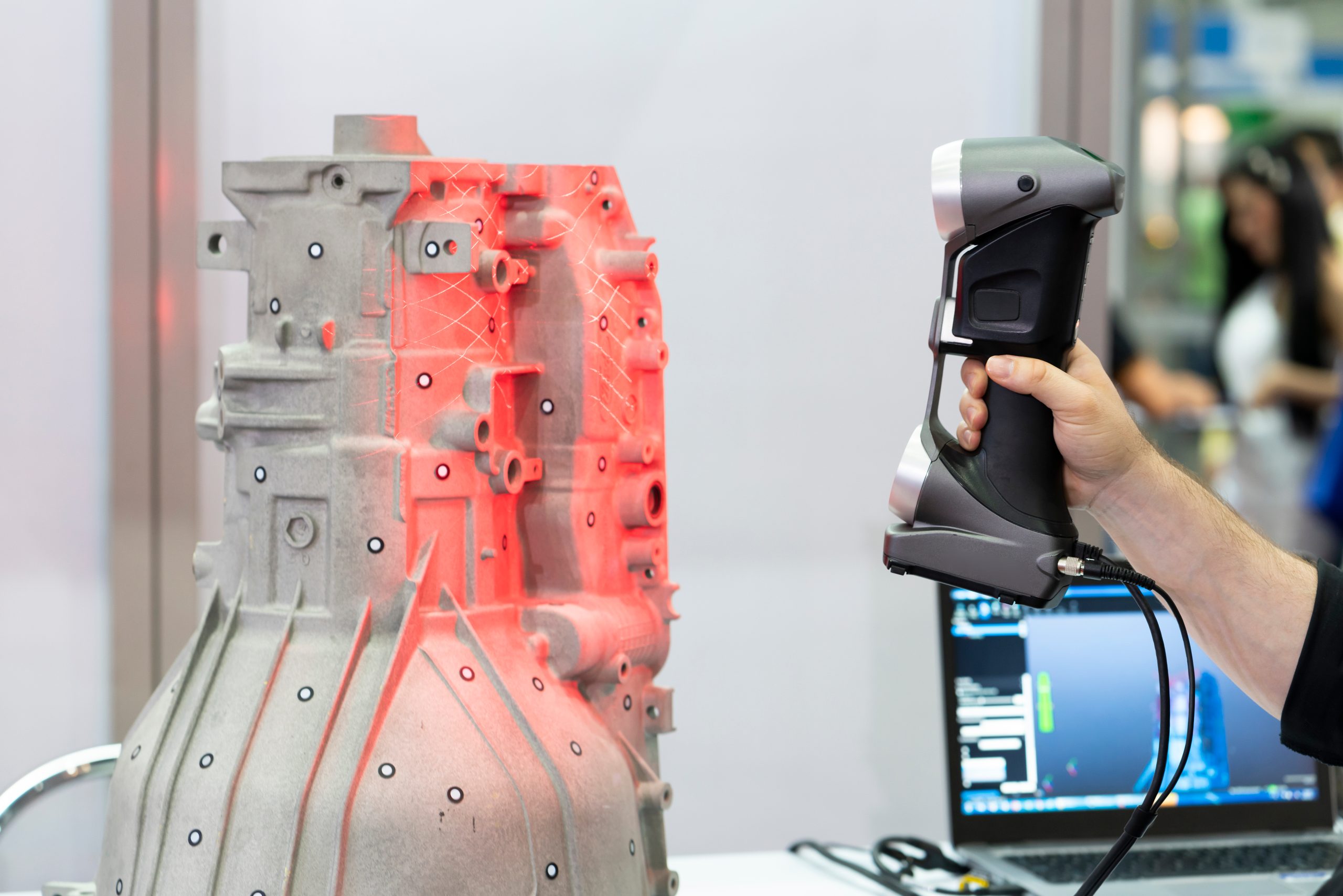
Every part has a story, even the ones with no paperwork left to prove it. Robust 3D's reverse engineering services in Dubai take a physical component, however worn, broken, or undocumented, and turn it into an accurate digital CAD model ready for manufacturing. We scan it, reconstruct it, and where it makes sense, improve it.
Whether it's a discontinued machine part, a vintage automotive component, or an industrial assembly with no remaining drawings, our team brings it back with the kind of precision measured in microns, not guesswork.
Capabilities
Precision Reverse Engineering Solutions for Manufacturing & Product Development
Robust 3D's reverse engineering solutions combine high-accuracy 3D scanning with expert CAD reconstruction to convert physical parts into manufacturable digital models, supporting manufacturers, product developers, and industrial operators across Dubai and the UAE who need a part recreated, repaired, or improved without original design data.
Convert Physical Components into Accurate Digital CAD Models
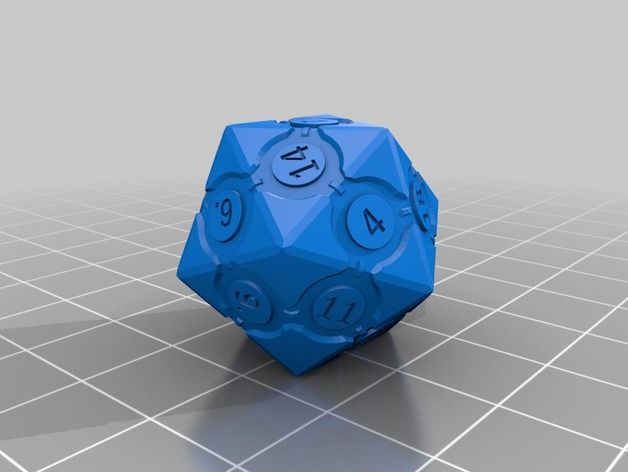
We take the object you actually have, scan it, and rebuild it as a clean, usable CAD file. Not a rough mesh that only looks right on screen. A properly reconstructed model with real dimensions, real tolerances, and real engineering behind it, ready for modification or direct manufacturing.
Recreate, Improve & Manufacture Existing Parts
Reverse engineering doesn't have to mean a one-to-one copy. Once we understand how a part is supposed to function, we can often improve on the original: correcting a known weak point, reducing material where it isn't needed, or adapting the design for a better manufacturing process. You get the part back, plus whatever fixes it needed.
Advanced 3D Scanning & Reverse Engineering in UAE
Our scanning equipment captures complex geometries and free-form surfaces to high precision, the kind of detail that matters when a fraction of a millimetre is the difference between a part that fits and one that doesn't. That captured data becomes the foundation for everything that follows.
OEM Reverse Engineering Dubai for Legacy & Custom Components
When the original manufacturer is no longer accessible, the part is out of production, or the documentation simply doesn't exist anymore, OEM reverse engineering gives you a path forward. We recreate the component as a fully manufacturable design, sourced from the part itself rather than from a supplier relationship that no longer exists.
Our Services
3D Reverse Engineering Services UAE
Our 3D reverse engineering services across the UAE cover every stage between a physical object and a finished, manufacturable CAD model, adapted to the part's material, complexity, and intended use.
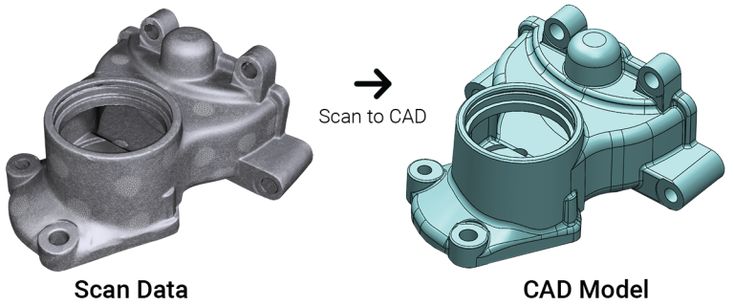
Scan-to-CAD Reverse Engineering
Raw scan data, point clouds and mesh files, converted into clean, parametric CAD models with proper feature definitions. This is the core of what reverse engineering actually delivers: not just a digital shape, but a model you can genuinely work with.
Component Reverse Engineering UAE
Reverse engineering of individual mechanical components, capturing the functional dimensions and tolerances that matter for fit and performance, not just the outer shape.
Metal Reverse Engineering Dubai
Metal components bring their own scanning and reconstruction challenges: reflective surfaces, machined tolerances, and wear patterns that need to be read correctly rather than simply copied. Our process is built to handle metal parts accurately, from small machined components to larger fabricated assemblies.
Reverse Engineering for Mechanical Parts
Mechanical parts and assemblies reconstructed with attention to how they actually function: fits, clearances, and load-bearing surfaces, so the recreated part behaves the same way the original did in service.
Surface & Parametric CAD Reconstruction
Two different reconstruction approaches for two different needs. Surface reconstruction is ideal for organic or complex shapes where a true parametric model would be impractical. Parametric reconstruction is built for components that need to be edited, scaled, or adapted as part of further engineering work.
OEM & Industrial
Reverse Engineering for OEM & Industrial Components
Industrial operators rely on parts that, sooner or later, stop being available through normal channels. Our OEM and industrial reverse engineering work exists for exactly that moment.
OEM Part Replication & Redesign
Faithful replication of OEM components where an exact match is required, or a redesigned version where the project calls for improvement rather than pure replication. Either way, the result is a manufacturable file, not just a reference model.
Obsolete & Legacy Part Reconstruction
For equipment that's been running for years, sometimes decades, with no remaining design documentation, we reconstruct the missing parts directly from what's physically there, giving ageing equipment a genuine path to continued operation.
Manufacturing-Ready CAD Development
Reverse-engineered geometry only becomes useful once it's properly toleranced, material-specified, and validated for production. We take reconstructed models through to that final manufacturing-ready stage, not just a usable-looking shape.
Reverse Engineering for Product Improvement
Sometimes a client doesn't just want the old part back. They want to know what was wrong with it. Our reverse engineering process includes an honest look at the original design, flagging the weaknesses worth correcting and the opportunities worth taking before the part goes back into production.
High-Precision Industrial Component Recreation
Industrial components often carry tight tolerances and demanding service conditions. We recreate them to the dimensional accuracy those conditions require, backed by inspection before the file is signed off as production-ready.
Scanning & Reconstruction
3D Scanning & Digital Reconstruction
Every reverse engineering project starts with capturing reality accurately. Our 3D scanning and digital reconstruction work is the foundation everything else is built on.
High-Resolution 3D Scanning Services
Industrial-grade scanning equipment captures detailed geometry quickly, generating the dense point cloud data needed for an accurate reconstruction, whether the part is a small precision component or a larger industrial assembly.
Precision Geometry Capture
Capturing not just the rough shape of a part, but its actual dimensional reality: curves, contours, and critical features measured to a level of accuracy that supports genuine engineering work afterward, not just a visual reference.
Complex Surface & Organic Shape Scanning
Free-form and organic surfaces that would be nearly impossible to model by hand are captured directly from the physical object, preserving the exact geometry rather than an approximation of it.
Reverse Engineering for Broken or Worn Parts
A part doesn't need to be intact to be reverse-engineered. We work from damaged, worn, or partially missing components, reconstructing the geometry that's gone using engineering judgement informed by what remains and how the part is meant to function.
STL, STEP & IGES File Generation
Final CAD models delivered in the file format your workflow actually needs: STL for printing and visual reference, STEP and IGES for full engineering use, modification, and integration into existing CAD environments.
Applications
Reverse Engineering Applications
Reverse engineering solves a wide range of practical problems, well beyond simply recreating a missing part.
Product Development & Rapid Prototyping
Existing products and competitor benchmarks can be reverse-engineered to create a starting CAD baseline for new product development, accelerating the early stages of a design project that would otherwise start from a blank screen.
Quality Inspection & Dimensional Verification
Scanning a manufactured part and comparing it against its original CAD file reveals exactly where production has deviated from specification, supporting quality control and inspection processes that go far beyond manual measurement.
Automotive Component Reverse Engineering
Trim components, brackets, and mechanical parts for both modern vehicles and classic or vintage models, reconstructed accurately enough to restore original fit and function.
Aerospace & Industrial Equipment Applications
Components for aerospace and heavy industrial equipment, where precision and material performance both matter, reverse-engineered with the rigour those applications demand.
Tooling, Molds & Die Recreation
Tooling, molds, and dies recreated from physical masters when the original design files have been lost, giving manufacturers a path back to production without starting tooling design from scratch.
Additive Manufacturing & 3D Printing Support
Reverse-engineered CAD models feed directly into our in-house 3D printing capability, so the part you need recreated can also be physically produced under the same roof. See 3D Printing Services →
Metal Components
Metal Reverse Engineering Dubai
Metal parts are some of the most commonly reverse-engineered components we work with, and some of the most demanding to get right.
Reverse Engineering for Machined Components
Machined metal parts often carry tight tolerances that need to be captured precisely, not approximated. We reconstruct machined geometry with the dimensional accuracy that downstream manufacturing requires.
Heavy Machinery & Industrial Parts
Large metal components from industrial machinery, scanned and reconstructed even where access, size, or weight makes the part difficult to handle through conventional measurement methods.
Sheet Metal & Fabricated Component Analysis
Fabricated sheet metal parts, brackets, and assemblies reverse-engineered with attention to bend angles, material thickness, and the manufacturing method originally used to produce them.
Wear Assessment & Part Optimization
Scanning a worn metal component doesn't just capture its current shape. It can reveal where and how the part has worn, informing a redesign that addresses the actual failure mode rather than simply reproducing the same weakness.
Metal Part Reproduction for Manufacturing
Once reconstructed, metal components are delivered as manufacturing-ready files suitable for CNC machining, casting, or metal 3D printing, depending on the production method that fits your project.
Process
Our Reverse Engineering Workflow
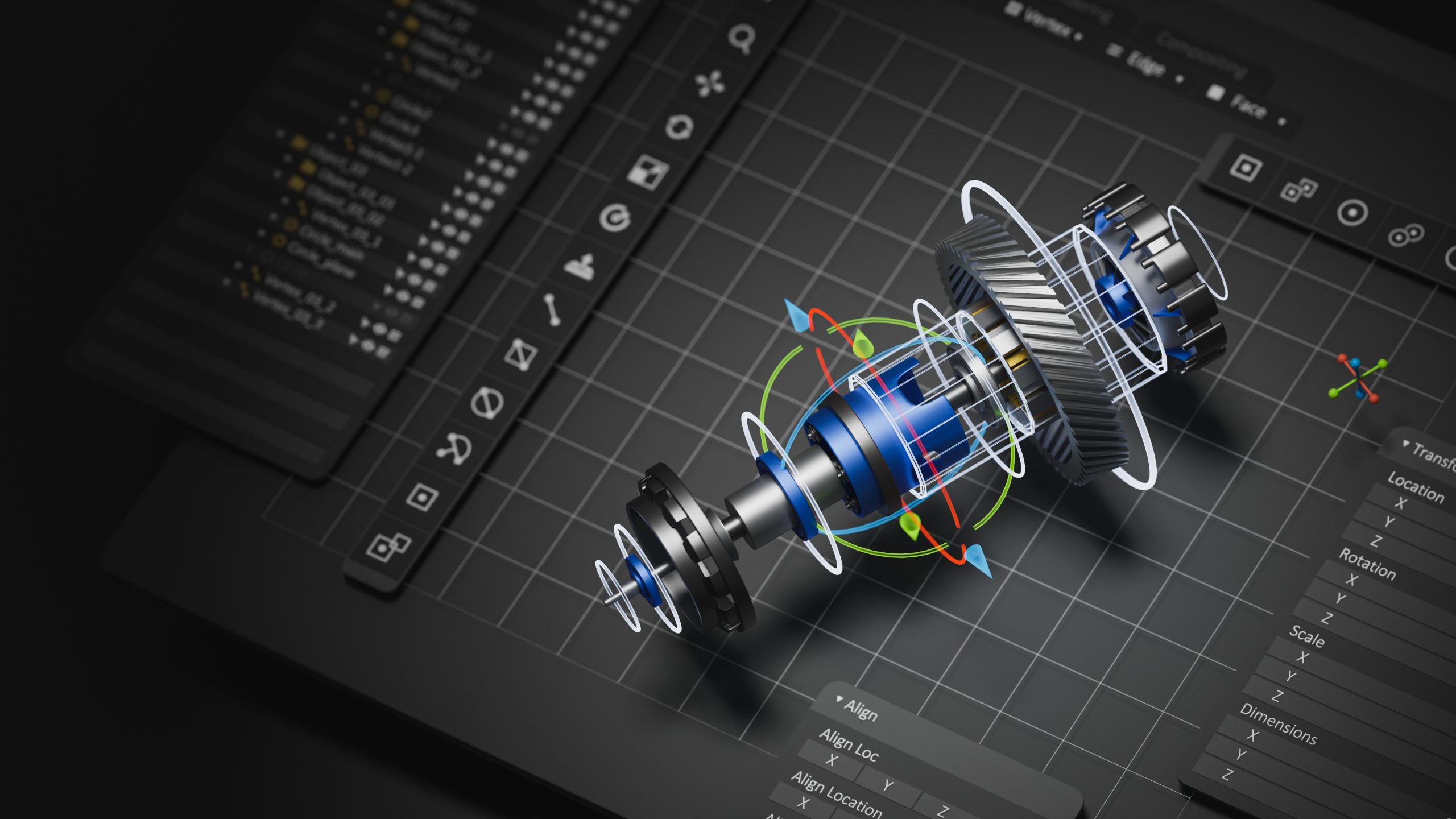
- 01
Consultation & Project Evaluation
Understanding the part, its function, its condition, and what the final deliverable needs to support.
- 02
3D Scanning & Data Capture
High-accuracy scanning to digitise every curve, contour, and dimension of the component.
- 03
Point Cloud & Mesh Processing
Raw scan data cleaned, aligned, and merged into a single accurate digital reference.
- 04
CAD Modelling & Surface Reconstruction
A high-fidelity CAD model built from the processed scan data, refined for accuracy.
- 05
Design Optimization & Validation
Improvements applied where relevant, and the model checked against the original part's function.
- 06
Prototype Development & Manufacturing Support
The reconstructed design produced as a prototype or production part, in your chosen material.
Additive Manufacturing
Reverse Engineering for Additive Manufacturing
Reverse engineering and 3D printing are a natural pair. Once a part exists as an accurate CAD model, additive manufacturing opens up options that simple replication never could.
Design Optimization for 3D Printing
Reconstructed parts can be refined specifically for 3D printing, adjusting geometry to take advantage of what additive manufacturing does well rather than just replicating a shape designed for a different process.
Lightweight Component Redesign
Where the original part was solid metal or over-built for its actual load, reverse engineering combined with lattice structures and topology optimisation can produce a significantly lighter replacement that still meets the same performance requirement.
Reverse Engineering for Low-Volume Production
Once a part is reconstructed, producing a small batch is straightforward, with no tooling investment required. This makes reverse engineering a genuinely practical route to spares production, not just a one-off fix.
Functional Prototype Development
Before committing to a full production run of a reconstructed part, a functional prototype confirms fit and performance, catching any reconstruction issues while they're still cheap to correct.
Industries
Industries We Serve
Automotive & Motorsport
Discontinued parts, custom components, and performance parts reverse-engineered for classic restoration projects and motorsport applications alike.
Aerospace & Aviation
Precision components reconstructed to the accuracy and documentation standards that aerospace applications require.
Manufacturing & Industrial Engineering
Legacy tooling, fixtures, and production components recreated to keep manufacturing operations running without costly downtime.
Oil & Gas Equipment
Industrial valves, fittings, and mechanical components reverse-engineered for plant operators managing ageing or discontinued equipment.
Medical Devices & Healthcare
Device housings and mechanical components reconstructed to the dimensional accuracy that medical applications demand.
Consumer Products & Electronics
Existing products and components reverse-engineered to support redesign, improvement, or competitive benchmarking work.
Robotics & Automation
Custom components and discontinued parts for robotics and automation systems, reconstructed to keep automated production lines running.
Why Robust3D
Why Choose Robust3D for Reverse Engineering Services in UAE
Advanced 3D Scanning Technology
Industrial-grade scanning equipment captures complex geometries and free-form surfaces with the precision that genuine engineering reconstruction requires.
High Accuracy & Engineering Precision
Reconstruction work carried out to tolerances that matter, backed by dimensional inspection before any file is signed off as production-ready.
Experienced CAD & Product Engineering Team
Reverse engineering is treated as engineering work, not just a scanning service. Our team brings genuine CAD and mechanical engineering expertise to every reconstruction project.
Faster Turnaround for Critical Components
When a critical part fails, waiting months for an overseas replacement isn't always an option. Our in-house scanning, modelling, and printing capability keeps turnaround fast for components that matter.
Confidential & Secure Project Handling
Client parts and project details are handled with full confidentiality. NDAs are available on request for sensitive components or proprietary designs.
End-to-End Support from Scan to Manufacturing
Scanning, reconstruction, and manufacturing are all managed in-house, so the part you need reconstructed can also be produced under the same roof, with no handoff between separate vendors.
Benefits
Benefits of Reverse Engineering for Manufacturing
Reduce Downtime with Fast Part Recreation
A failed or missing critical part doesn't have to mean extended downtime. Reverse engineering provides a faster route back to a working replacement than sourcing from an unavailable original supplier.
Improve Existing Product Performance
Reconstructing a part is an opportunity to fix what wasn't working in the first place, whether that's a known failure point, an unnecessary weight penalty, or a manufacturing inefficiency.
Eliminate Dependency on Old Drawings
Once a part has been properly reverse-engineered, you're no longer dependent on drawings that may be incomplete, lost, or simply never existed in the first place.
Accelerate Product Development Cycles
Using an existing product or component as a reconstruction baseline removes weeks of early-stage design work from a new product development project.
Cost-Effective Alternative to Traditional Redesign
Reverse engineering from a physical part is often significantly faster and cheaper than redesigning a component from scratch, particularly when the part's basic function is already proven.
Case Studies
Case Studies — Reverse Engineering Projects in Dubai
Gearbox Component Restoration
A manufacturing client had a critical gearbox component fail with no replacement available and no original design files. We scanned the broken part, digitally reconstructed the missing geometry, and produced a replacement in heat-resistant material, restoring full functionality and avoiding months of waiting on an overseas part search.
Legacy Industrial Tooling Recreation
An industrial operator needed replacement tooling for equipment that had been running for over a decade with no remaining documentation. We reverse-engineered the tooling directly from the physical components still in use, delivering manufacturing-ready files that kept the production line running.
Automotive Trim Component Reproduction
A classic vehicle restoration project required a discontinued trim component no longer available through any supplier. We scanned a surviving original, reconstructed it as a clean CAD model, and produced a replacement that matched the original fit and finish.
OEM Part Optimization for a Robotics Client
A robotics integrator needed a custom bracket recreated after the original supplier discontinued the part. Beyond replicating it, we identified an opportunity to reduce weight through topology optimisation, delivering a redesigned version that improved on the original's performance.
FAQ
Frequently Asked Questions
Reverse engineering in manufacturing is the process of capturing the geometry of a physical part through 3D scanning and converting that data into an accurate, usable CAD model. It is used when original design files don't exist, are incomplete, or are no longer accessible, giving manufacturers a path to reproduce, repair, or improve a component without starting the design process from scratch.
Accuracy depends on the scanning equipment, the part's complexity, and the reconstruction method used. Our industrial-grade scanning equipment captures detail with a precision suited to engineering-grade reconstruction work, and every model is checked against the original part before being signed off as production-ready.
Yes. We regularly reverse engineer metal components, from small machined parts to larger fabricated and industrial assemblies. Reflective surfaces and tight machined tolerances are accounted for as part of our standard scanning and reconstruction process.
We deliver CAD models in STL, STEP, and IGES formats, depending on your downstream requirements. STL suits printing and visual reference, while STEP and IGES support full engineering modification and integration with existing CAD workflows.
Yes. We provide OEM reverse engineering for legacy, discontinued, and custom components where the original manufacturer or design files are no longer accessible, recreating the part as a fully manufacturable design sourced directly from the physical component.
Yes. Reproducing obsolete parts is one of the most common reasons clients come to us. Once a discontinued part is scanned and reconstructed, it can be manufactured again, whether through 3D printing, CNC machining, or another production method suited to the part.
Timelines depend on the part's size, complexity, and condition. Simple components can often be scanned and reconstructed within a few days. More complex assemblies, or parts requiring significant redesign work, take longer. Share your project details with our team for an accurate estimate.
Get Started
Start Your Product Development Project in Dubai
Whether you have a finished CAD file, a rough sketch, or just an idea you haven't written down yet, our team is ready to help you build it. We'll review your project, recommend the right approach and materials, and give you a clear, honest timeline and quote.
Call us, email info@robust3d.com, or visit our facility in Al Qusais Industrial Area 4, Dubai.